Cornwall · 6 min read
Microcement in Cornish homes: barns, cottages, holiday lets & coastal new-builds
From granite-walled barn conversions on Bodmin Moor to coastal new-builds in Rock and Padstow — where microcement earns its place in a Cornish renovation.
By Jonathan Heywood · 30 July 2025
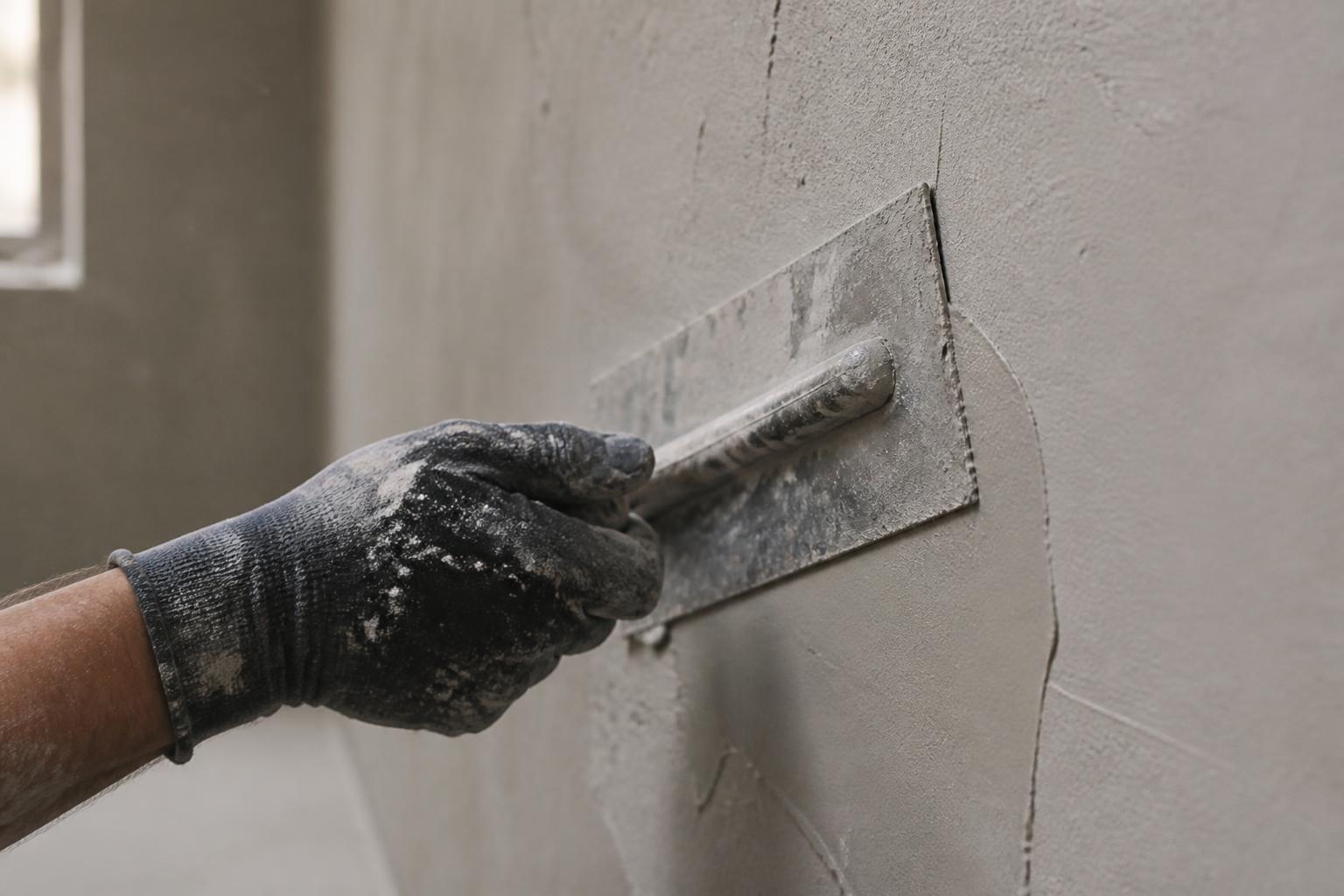
We work across the whole of Cornwall — from Padstow and Rock down to Penzance, across the moors and inland through Truro and Bodmin. Different properties bring different challenges, and microcement is not a fit for all of them. Here, by property type, is where it earns its place.
Granite barn conversions
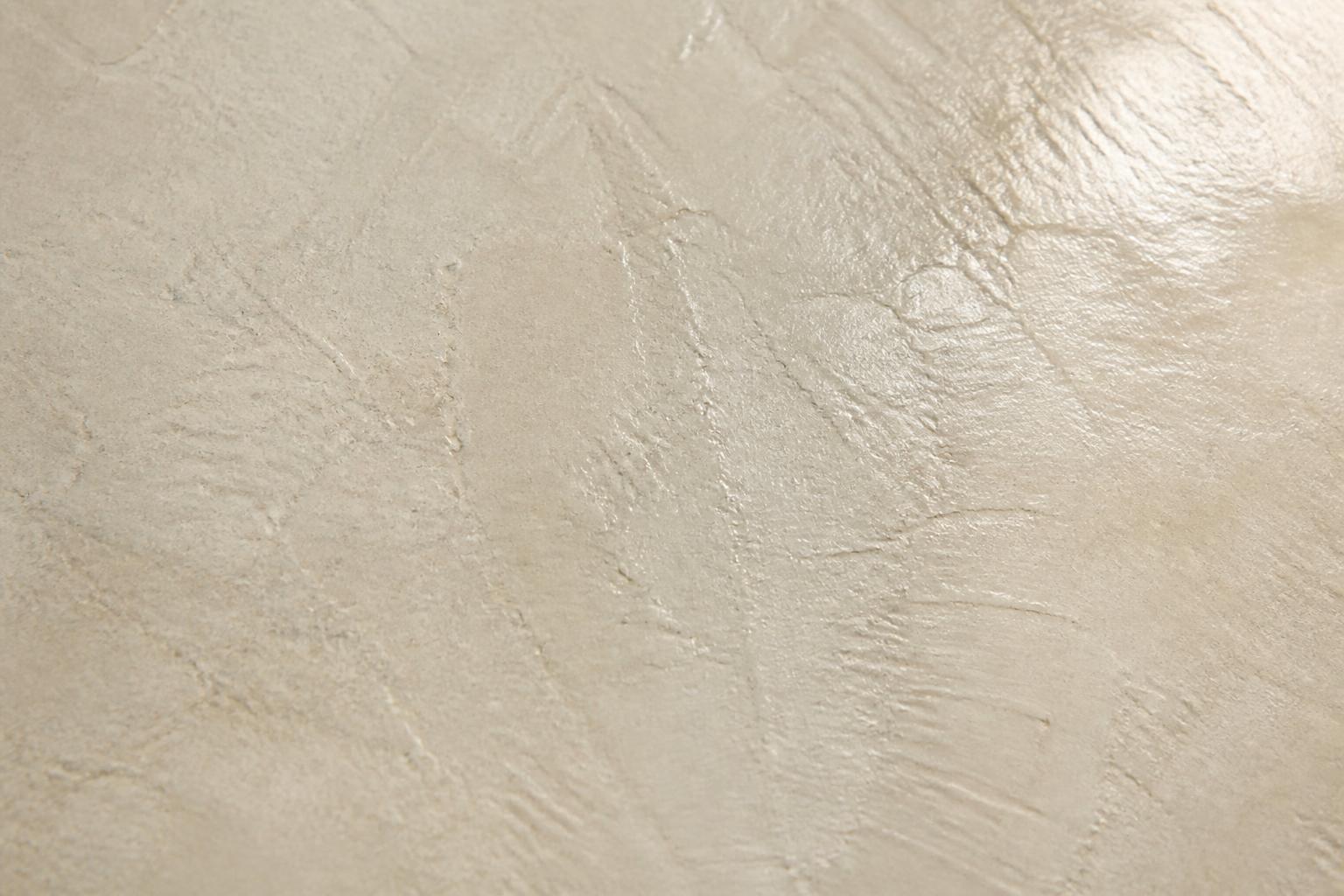
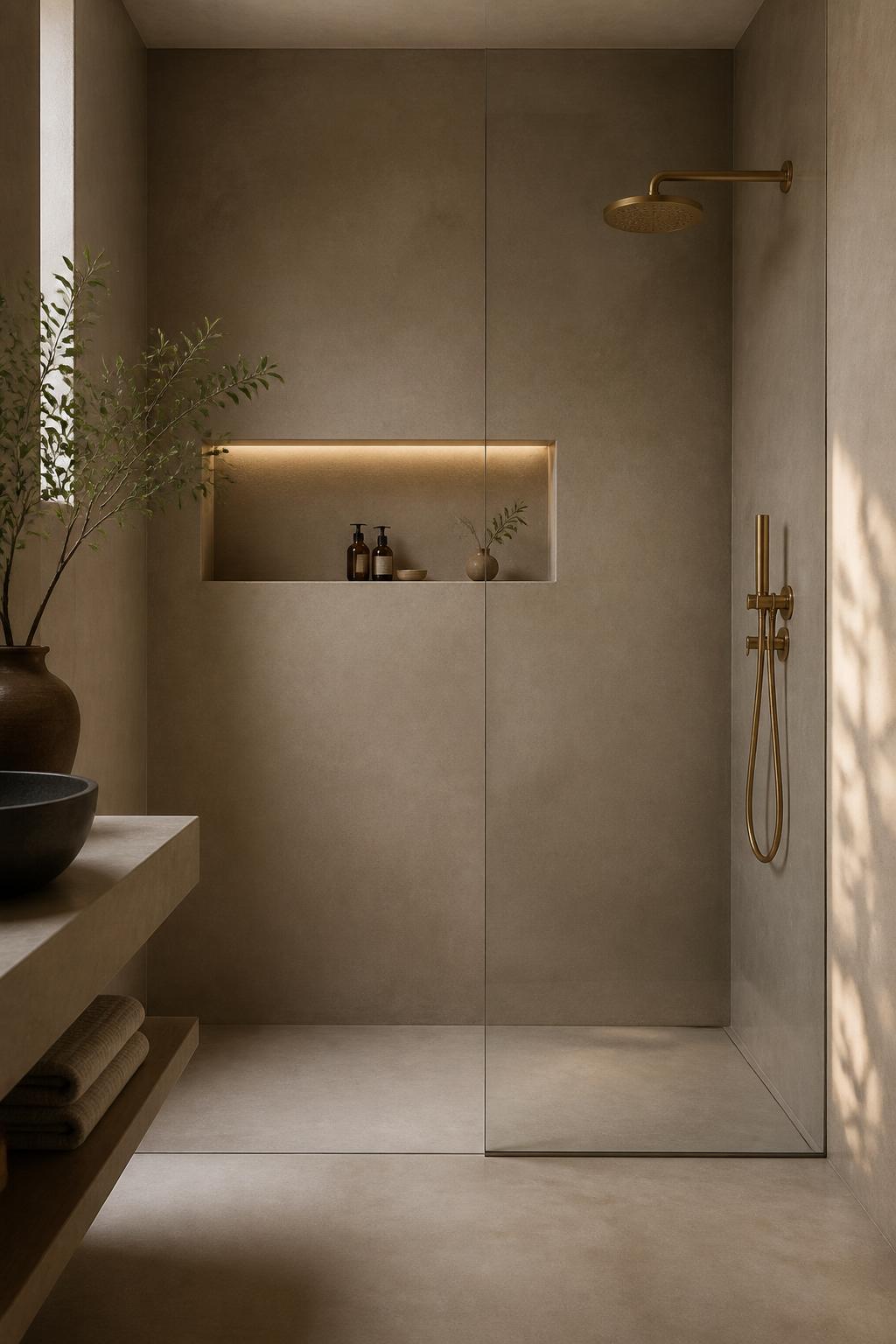
Often the strongest case. Original granite or cob walls left exposed; new internal walls, floors and bathrooms in microcement. The seamless mineral finish complements the existing stonework without competing with it, and the warm taupes of the CimentArt Natture range sit beautifully against weathered granite. Underfloor heating below a microcement floor is now almost standard on these projects.
Period cottages
More cautious. Lime-plastered walls and lime-mortared floors need to breathe, and a polyurethane-sealed microcement does not. Where the cottage has solid Victorian Portland-cement walls or a modern damp-proofed floor build-up, microcement is fine. Where it has original lime construction, we usually recommend lime plaster for the walls and reserve microcement for the bathroom only, over a proper tanked substrate.
Coastal new-builds
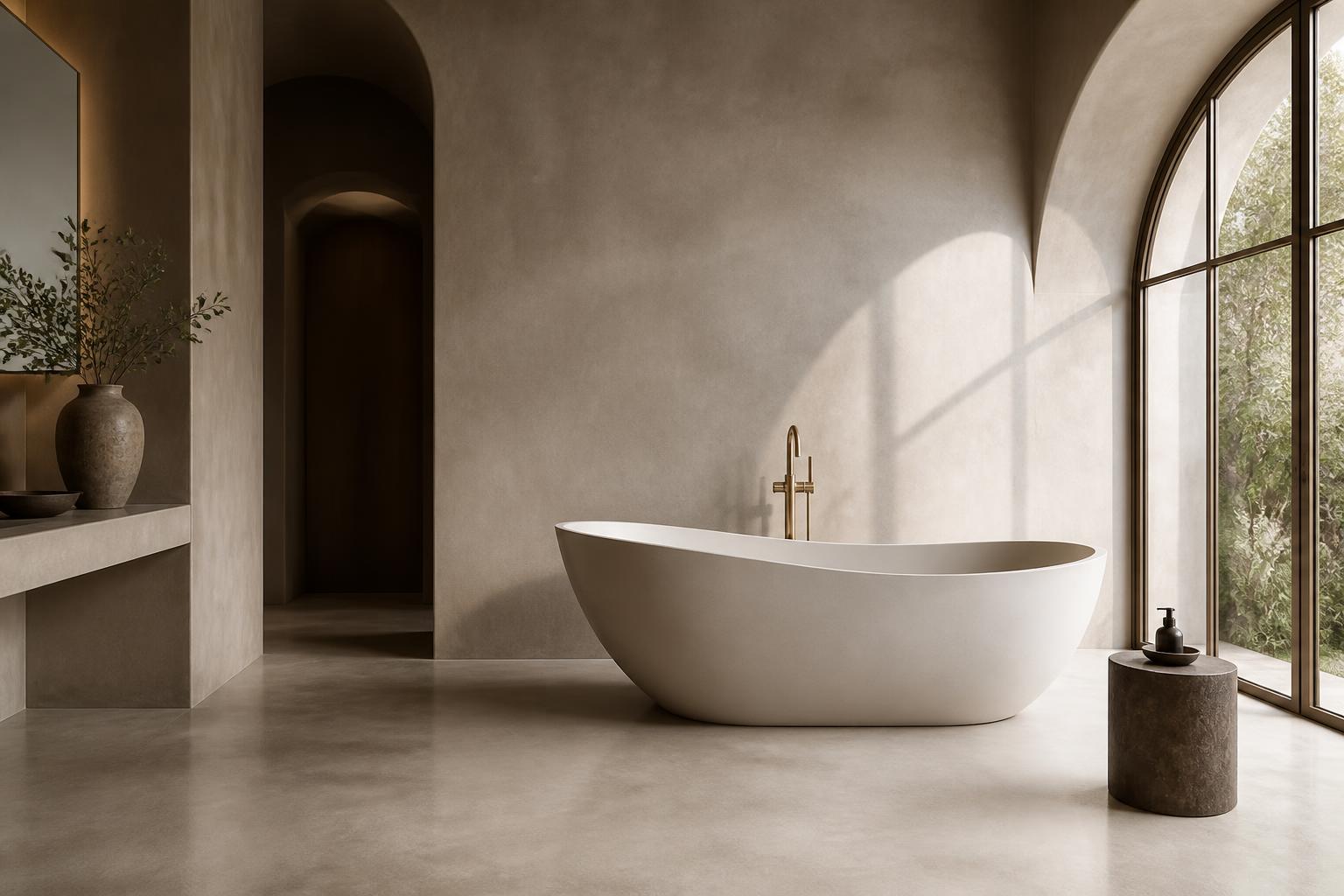
Microcement is a brilliant material for the new wave of architect-led coastal homes around Rock, Polzeath, Daymer, Mawgan Porth and Sennen. Walls of glass, polished concrete soffits, brassware in brushed nickel — microcement floors and bathrooms continue the mineral language without the joinery breaks of timber or the visual noise of tile.
Holiday lets and second homes
An increasingly common brief. Microcement bathrooms are a particularly good investment in holiday-let properties: they photograph beautifully (driving bookings), wear well under high turnover, and there is no grout for incoming guests to find dirty.
What changes for coastal projects
- Salt air requires extra attention to brassware specification (PVD finishes outlast chrome).
- Sandier feet bring more grit; we recommend R11-rated Aqua sealer on shower floors near the coast.
- Properties stood empty between visits benefit from a quick mop and re-seal check every two to three years.
Where we work
Wadebridge-based, we cover the whole of Cornwall and the wider South West with no travel charge for site visits, and travel nationwide for larger commissions and bespoke architectural projects across the UK. We coordinate with local architects, builders and heating engineers from Penzance to Plymouth and well beyond.
Considering microcement for a property anywhere in Cornwall? Tell us about it — first conversation is always free.