
Service · Walls & ceilings
The wall as a single, hand‑burnished surface.
Microcement on walls reads somewhere between polished plaster and raw stone — a quiet, mineral skin that holds light like nothing else. Used full‑room or as a single feature, it changes the temperature of a space.
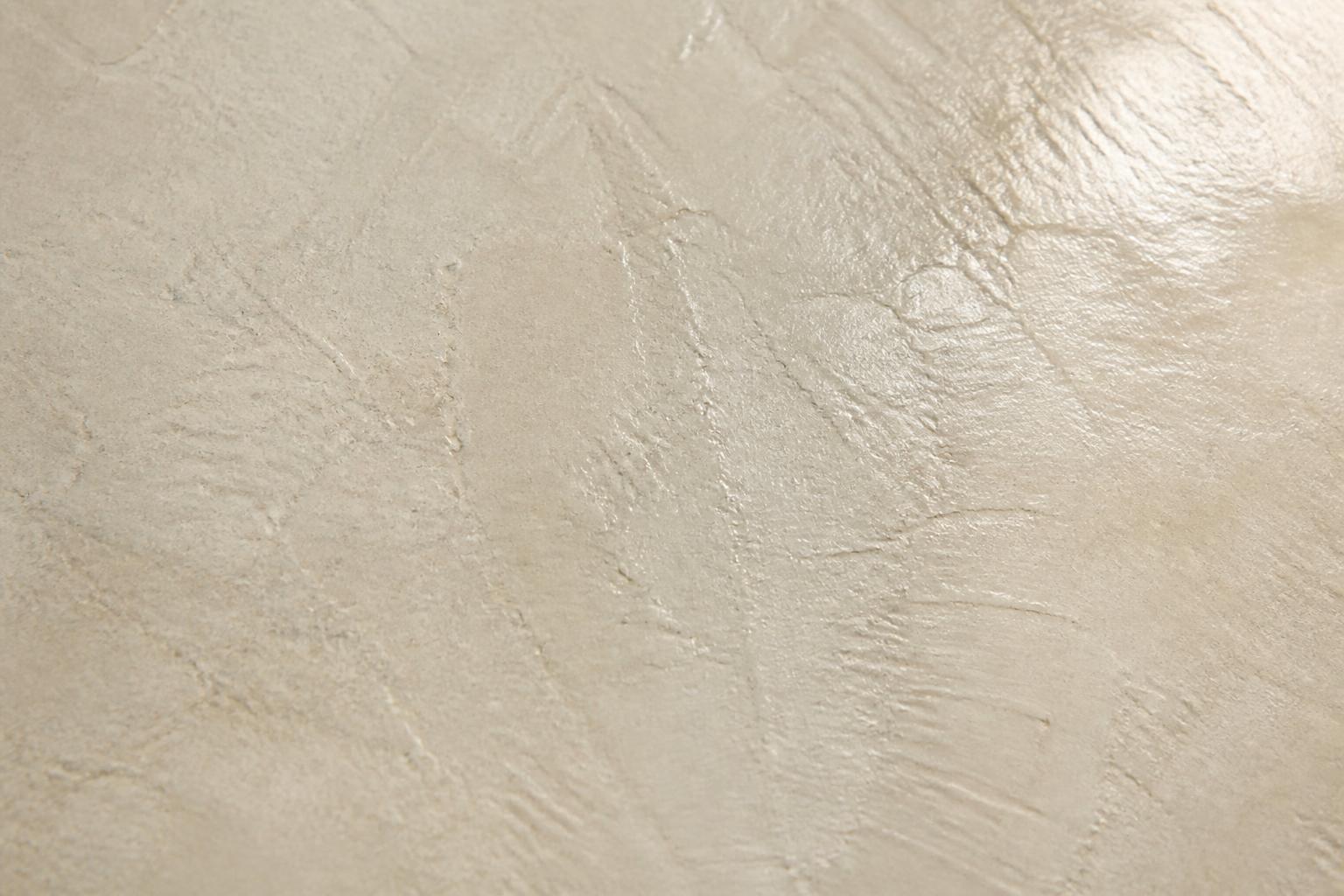
Microcement walls are a 2–3mm hand‑burnished mineral coating applied directly to plaster, plasterboard or tile, producing a continuous, joint‑free wall surface that reads somewhere between polished plaster and raw stone. Installed across Cornwall by Cornwall Microcement.
A microcement wall has the depth of fine clay plaster, the strength of cement and the cleanliness of paint. The trowel marks are deliberate, subtle, and never twice the same. In a room of flat, factory finishes, a hand‑applied wall is what the eye finds.
Where it makes most sense
Behind a freestanding bath, around a fireplace, the full wall behind a bed, the return inside a deep window reveal. Microcement loves architecture that already has shape — it follows curves, wraps niches and pulls reveals into a continuous form.
An honest finish
We don't pretend microcement is a hands‑off paint job. The colour reads differently in morning and evening light, the surface accepts a fingerprint and forgets it, and a deliberate variation in tone is part of the look. Clients who want a perfectly uniform wall are usually better served by paint. Clients who want a wall that breathes choose microcement.
Best for
- Feature walls behind beds, fireplaces and stairs
- Whole‑room treatments in studies, snugs and bedrooms
- Curved walls, niches and bullnose returns
- Hallways that need to feel substantial
- Anywhere a paint finish would feel inadequate
What you get
Features that set this installation apart.
- Only 1.5‑2mm thick — installs without losing the room
- Apply over plaster, plasterboard, tile, MDF or block
- Hand‑trowelled in two directions for true depth of finish
- Pigment mixed wet — no two metres are identical
- Matte, satin or low‑gloss sealer to taste
- Sound‑deadening compared to bare plaster
- Compatible with bullnose, shadow gaps and curved details
- 30+ CimentArt colours, custom blends available
Questions
Frequently asked.
Can I have microcement on the ceiling?+
Yes — ceilings are entirely feasible and stunning when paired with a microcement wall. Application is slower (and so a little more expensive) but the technique is the same.
How does it compare to polished plaster?+
Polished plaster (Venetian, Marmorino) is lime‑based and softer to the touch. Microcement is cement‑based, harder, fully waterproof when sealed, and considerably more durable in wet or high‑traffic areas.
Can it be hung on like a normal wall?+
Yes. Fixtures, picture hooks and brackets can be installed into a microcement wall the same way as any plastered wall, using the right plug for the substrate beneath.
Can it be painted later if I change my mind?+
Yes — once cured and lightly abraded, microcement accepts standard interior paint. But most clients fall further in love with it, not less.