
Material · 8 min read
What is microcement? A 2026 guide for UK homeowners
An honest, jargon‑free explanation of what microcement actually is, what it can do for your home, and where it doesn't make sense.
By Jonathan Heywood · 12 March 2025 · Updated 10 January 2026
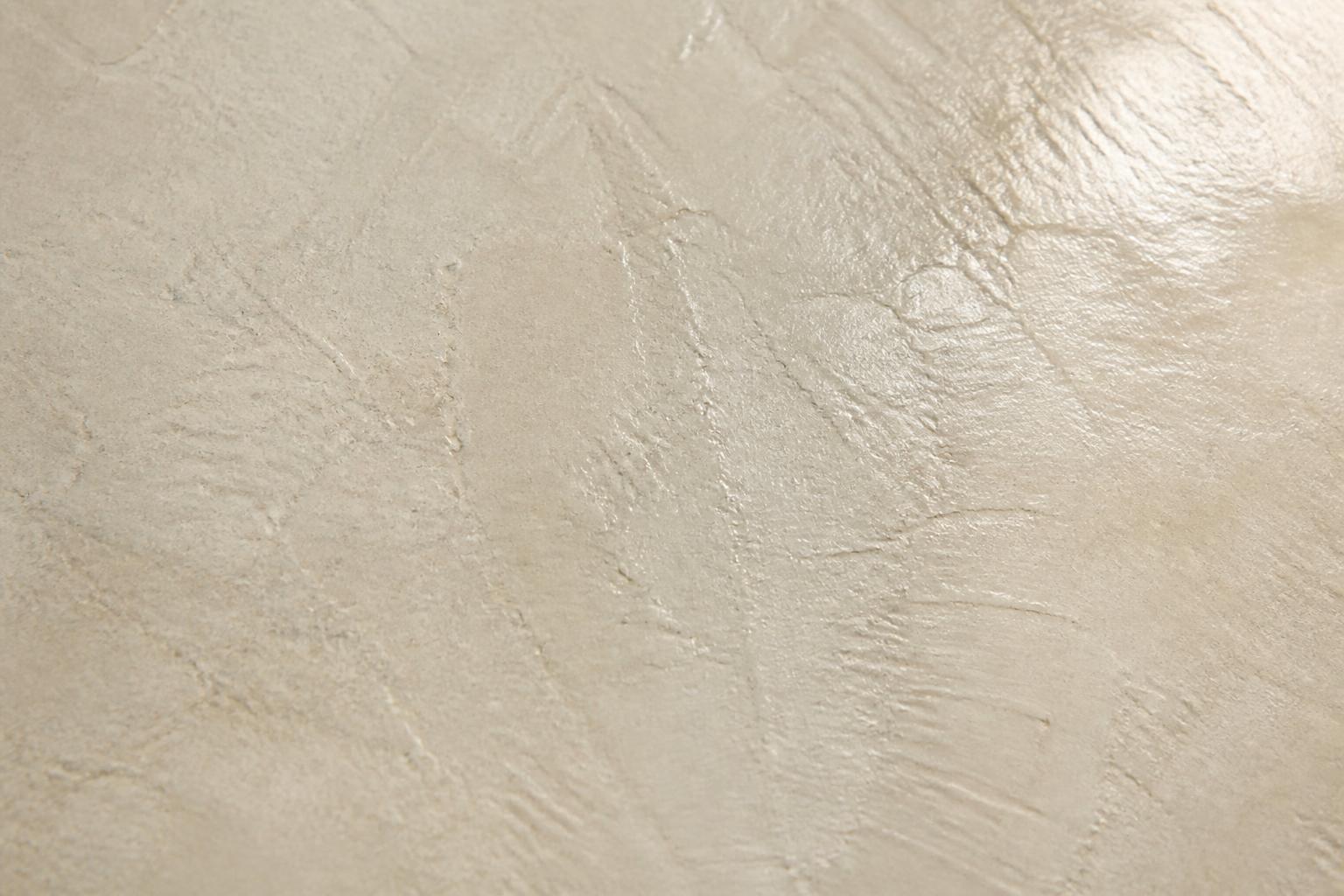
If you've spent any time recently on Pinterest, Instagram or the pages of World of Interiors, you will have seen microcement — even if no one named it. The seamless taupe shower in a Mallorca holiday home. The continuous worktop on a Notting Hill kitchen island. The hand‑burnished feature wall behind a freestanding bath in a Cotswold barn conversion. They are all, almost certainly, microcement.
For UK homeowners commissioning a renovation in 2026, microcement is one of the most consequential surfaces you can choose — and one of the most often misunderstood. This guide explains, in plain English, what it actually is, what it can do, and where it is the wrong answer.
The short version
Microcement is a polymer‑modified cement coating, hand‑applied in micro‑thin layers (typically 2‑3 mm total) over almost any sound substrate. It produces a single, continuous, fully waterproof surface — with no joints, no grout lines and no visible seams.
It can go on floors, walls, ceilings, stairs, bathrooms, kitchen worktops, splashbacks and even furniture. It can wrap a curved wall, follow a staircase round a corner, or run from your shower floor up the wall and across the ceiling as one unbroken skin.
What it is made of
A high‑quality microcement system — like the CimentArt range we use exclusively — has four components:
- Cement and selected mineral aggregates for the body of the finish.
- Acrylic and polymer resins for flexibility, adhesion and impact resistance.
- Pigments mixed wet for colour through the depth of the material.
- A two‑component polyurethane sealer applied last to make the surface fully waterproof, stain resistant and chemically stable.
What it can do that tile, paint and stone cannot
- Run uninterrupted across rooms, around corners, up walls and across ceilings — no joints, no grout, no transitions.
- Install over almost anything sound and clean: concrete, screed, timber, plywood, plasterboard, tiles, even some plastics.
- Stay shallow — at just 2‑3 mm total build‑up, you usually don't need to lift doors or rework thresholds.
- Take any colour in the CimentArt palette of 30+ tones, with custom blends possible.
- Be repaired in situ — unlike a tile, a damaged microcement surface can be patched and re‑sealed without ripping anything out.
Where it is the wrong answer
Honesty matters more than enthusiasm. Microcement is not the right material for:
- Outdoor areas in unsheltered Cornish weather (the UV breaks down most sealers over time).
- Clients who want a perfectly uniform, factory‑flat surface — the hand‑trowelled character is the point.
- The cheapest end of the market. Under‑priced microcement is almost always under‑specified microcement, and under‑specified microcement cracks.
Microcement is a craftsman's material. Done properly it is one of the most beautiful and bombproof surfaces money can buy. Done badly it fails inside a season.
The bottom line
For UK homeowners who want continuity, calm and a finish that doesn't look like everyone else's, microcement is currently without rival. The single biggest determinant of whether your installation is the former or the latter is who applies it. Choose an installer who has trained on a single system, applies every coat personally, and can show you completed work in real homes.
If you are thinking about a microcement project anywhere in Cornwall, we'd love to come and see the space. Get in touch.