
Material · 7 min read
Microcement vs polished concrete — what's the difference?
They look similar but install completely differently. A direct, side-by-side comparison of thickness, weight, installation time, cost and where each one wins.
By Jonathan Heywood · 11 May 2025
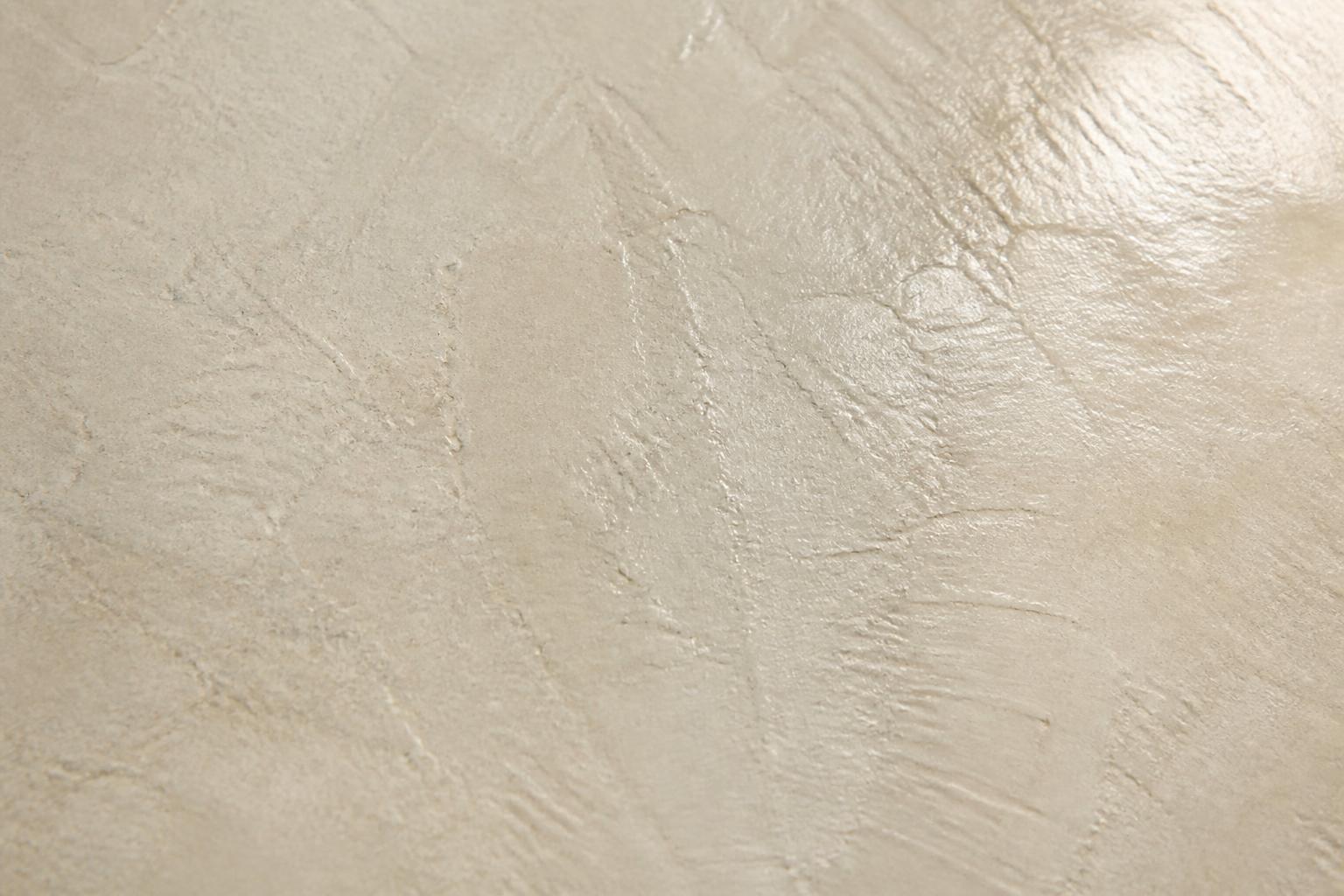
If you've been pinning kitchen islands and seamless bathrooms, you've seen both materials — often without realising they're different. They share a palette and a sensibility. Almost everything else is different.
The fundamentals
Microcement is a polymer-modified cement coating applied in micro-thin layers (2–3 mm total) over an existing surface. Think of it as a permanent finish skin.
Polished concrete is structural — a 50–100 mm slab poured in place, cured, then mechanically ground and polished to reveal aggregate and finish to a matte or mirror sheen.
Side by side
| Microcement | Polished concrete | |
|---|---|---|
| Thickness | 2–3 mm | 50–100 mm |
| Weight | Negligible | ~120–240 kg/m² |
| Substrate | Almost anything sound | Engineered slab required |
| Install time | 5–7 days | 3–6 weeks (incl. cure) |
| Joints | None | Control joints required |
| Repairability | Excellent | Limited — grind / patch |
When microcement wins
Renovations. First-floor bathrooms. Listed buildings. Anywhere you can't lift the structure to take a concrete slab. Anywhere you need it done in a week, not a month.
When polished concrete wins
New-build ground floors with engineered foundations. Sculptural pieces — islands, freestanding baths, monolithic vanities — where the weight and depth are part of the design.
The pragmatic answer
For 90% of UK renovation briefs, microcement is the right call. For new builds and statement worktops, polished concrete earns its place. We do both — and we'll tell you honestly which one fits the room. Book a free visit.